
Principal’s Report
SHANE DUPUY

Moving forwards with one eye on global trends and the other on our community expectations
As a leadership team, we are continually reviewing both global and local trends in education, particularly as Australia’s education system approaches a significant turning point. Schools are navigating declining confidence in literacy and numeracy, ongoing debates surrounding the role of digital technology in classrooms and growing public scrutiny over whether students are being adequately prepared for a modern, knowledge-based economy. The result is an education landscape shaped by both innovation and tension.
One of the clearest indicators of Australia’s educational performance remains the National Assessment Program, Literacy and Numeracy (NAPLAN), administered annually in March across Years 3, 5, 7 and 9. According to the Australian Government and ACARA, approximately two-thirds of students now achieve at the “Strong” or “Exceeding” proficiency levels. More concerning, however, is that roughly one in three students still fails to meet expected literacy and numeracy benchmarks.
While the 2025 NAPLAN results showed some improvement in numeracy for Years 5, 7 and 9, the first broad-based improvement in several years, overall outcomes remain relatively stagnant. Several trends continue to raise concern:
- Students in remote and disadvantaged communities continue to perform significantly below national averages.
- Indigenous students remain disproportionately represented in lower proficiency categories.
- Boys consistently underperform girls in literacy related assessments, particularly in writing.
- Writing performance across senior year levels has become a national concern.
The implications of these trends are significant. There is a very real possibility that, in coming years, a sizeable group of students may enter secondary school without fully mastering foundational reading and mathematics skills. This has major consequences not only for workforce participation, social mobility and national productivity, but also for the increasing challenges secondary teachers may face in the classroom each day. Reflecting this concern, the Australian Bureau of Statistics now recognises literacy and numeracy not simply as academic outcomes, but as essential life capabilities directly linked to employment, civic participation and digital engagement.
Alongside concerns about academic achievement, few educational issues divide Australian parents more sharply than the role of technology in primary school classrooms. For more than a decade, PBC has implemented one-to-one laptop and iPad programs beginning in Year 2. The intention has always been to embrace contemporary learning opportunities while ensuring students remain equipped for an increasingly digital world. Proponents argue that digital fluency is now as fundamental as handwriting once was. Critics, however, warn that excessive screen exposure may negatively affect concentration, reading stamina and social development. As a college, we remain mindful of the differing perspectives that exist within our community regarding this approach.
International evidence presents a nuanced picture. The OECD’s Programme for International Student Assessment (PISA) has repeatedly shown that moderate computer use in schools can improve engagement and digital competency, while excessive or poorly structured screen use is often associated with weaker academic outcomes. Interestingly, countries that perform strongly in literacy, such as Finland, Estonia and parts of East Asia, tend to use educational technology selectively rather than continuously. A similar strategic approach is implemented at PBC.
Research from around the world has identified several benefits when technology is implemented strategically, including:
- improved accessibility for students with disabilities,
- personalised learning pathways,
- immediate formative feedback,
- increased engagement in mathematics and STEM subjects, and
- enhanced digital literacy and future workforce readiness.
At the same time, studies consistently highlight several important risks associated with overreliance on technology, including:
- reduced handwriting proficiency,
- shorter attention spans,
- weaker deep-reading comprehension,
- increased distraction, and
- dependence on passive learning tools.
As a result, many Australian educators now advocate for a balanced technology approach rather than unrestricted device usage. Increasingly, schools are reintroducing explicit phonics instruction, handwriting programs and paper-based mathematics alongside digital learning systems. At PBC, we have similarly invested heavily in evidence-based literacy programs such as MultiLit, SpellEx and Ochre. In numeracy, we have introduced Learning Through Doing (LTD) to complement our Oxford Maths program.
Public sentiment has also shifted noticeably since the COVID-19 pandemic. While parents broadly accept the importance of digital skills, many are now increasingly sceptical about excessive screen dependence among younger children. Consequently, the debate is no longer whether computers belong in classrooms, but rather how early and how often they should be used. In response to this evolving conversation, the College leadership team is currently reviewing our BYOD program and will communicate any changes for 2027 once the review process is complete.
Importantly, broader educational thinking is also evolving beyond academic performance alone. One of the most significant developments globally has been the growing recognition that test scores do not solely define successful schooling. Modern educational research increasingly emphasises the importance of:
- student wellbeing,
- resilience,
- attendance,
- emotional regulation,
- social confidence,
- creativity, and
- adaptability.
Researchers around the world have argued that accountability systems focused exclusively on academic metrics fail to capture the broader developmental outcomes schools are responsible for fostering. This perspective is gaining increasing traction in Australia as concerns continue to rise around anxiety, disengagement and student mental health.
Against this backdrop, Australian education now faces several defining challenges:
- Raising literacy and numeracy standards without overburdening teachers.
- Integrating technology effectively while limiting harmful overexposure.
- Retaining high-quality teachers amid ongoing workforce shortages.
- Balancing academic achievement with wellbeing and life skills.
Ultimately, the national conversation is beginning to reflect a deeper question: what should schools actually prepare children for? PBC’s mission statement clearly demonstrates our commitment to supporting students through these evolving challenges:
“To enable students to realise their full academic, social, cultural, sporting and community potential and to assist them in becoming valued members of the community.”
The implementation of our Grow Your Mind and The Resilience Project wellbeing programs, along with extensive co-curricular opportunities such as camps, Movement program and a host of incursions and excursions help foster our holistic education ethos.
The schools that succeed over the next decade may not simply be those producing the highest test scores, but those capable of combining strong foundational literacy and numeracy with creativity, adaptability and technological competence. While we remain acutely aware of global trends in education, we are equally committed to listening closely to our own community, understanding local sentiment and continuing to share our journey openly with our families.
College Coordinator Report
ALEC WAREING

Primary School Coordinator Report
NICOLA KERIN

As we move into the middle of one of our busiest and most productive terms, it is always a timely reminder for our students to continue showing resilience, persistence, and a positive mindset as they work towards finishing the semester strongly. By this point in the year, routines are well established, learning expectations are high, and students are often balancing assessments, extracurricular activities and social commitments. It is during these times that resilience and self-regulation become such important life skills. We encourage all students to keep challenging themselves, embrace mistakes as opportunities for growth, and continue demonstrating perseverance in both the classroom and playground. Small daily efforts, positive attitudes and consistent routines all contribute to long-term success.
We are very much looking forward to our upcoming Year 4 and Year 5 camps as part of our PBC Outdoor Education Program. Camps provide students with far more than just exciting adventures and memorable moments with friends. Research consistently shows that outdoor education programs support significant growth in students’ confidence, independence, teamwork, problem-solving and emotional resilience. Time spent outside of the traditional classroom setting allows students to step outside their comfort zones, develop stronger peer relationships and build important life skills such as responsibility, adaptability and leadership. We know these experiences often become some of the most treasured memories of primary school and we are excited for our students to embrace every opportunity ahead. Thank you to Mrs McDuff and Kate for all their hard work behind the scenes to ensure camp runs smoothly, and of course to our teachers who spend time away from their own families and routines, to make sure camp is the most positive and rewarding experience for each and every student at PBC.
Today saw the success of our third Walk Safely to School Day at PBC, with approximately 50 students from Prep to Year 6 participating. It was wonderful to see students enjoying the opportunity to connect with peers, get active before the school day and promote healthy and safe habits within our community. It was especially nice to see many parents join us and it gave our college community a further opportunity to connect and come together. A special thank you to our Primary Leaders for their organisation and leadership, and to our Year 12 School Captains for their ongoing support and encouragement of our younger students. The strong participation across all year levels continues to highlight the wonderful sense of community spirit we value so highly at Peregian Beach College.
Looking forward to a fantastic second half of the term, with lots to celebrate and acknowledge across the Primary School.
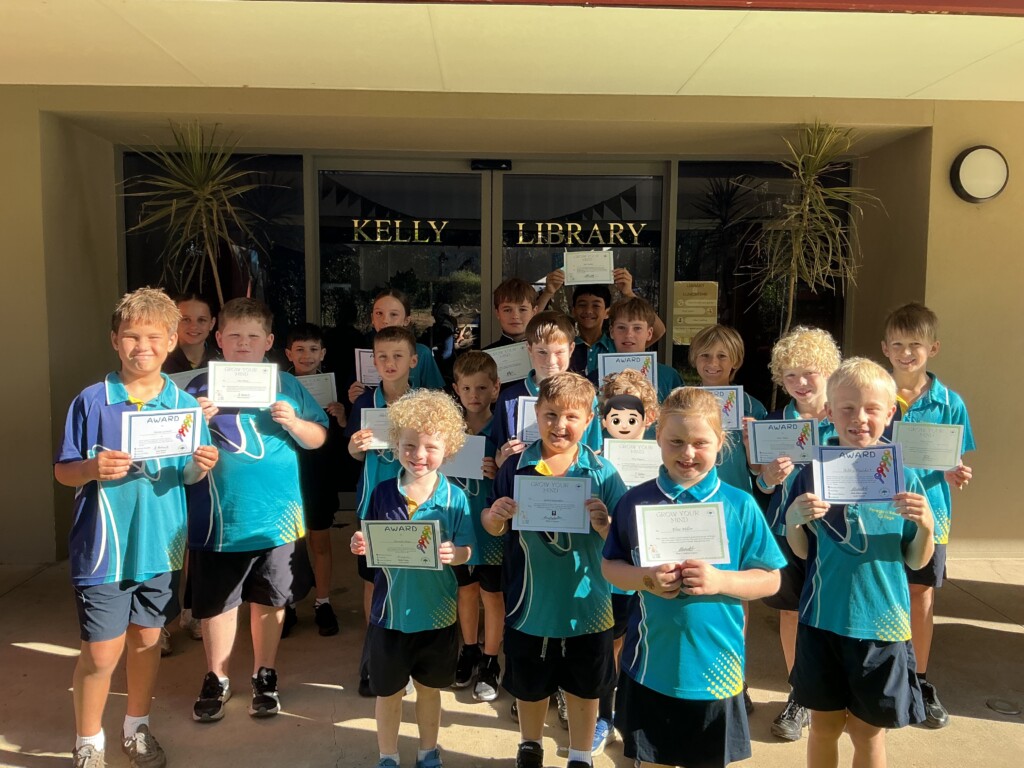
Congratulations to this week’s award recipients.
Secondary Coordinator Report
NIGEL MCDUFF

100 Days to go for Year 12’s
Next Wednesday 27th May is a milestone for our small Year 12 cohort. They will have 100 school days left at PBC before they graduate on Friday 20th November. The Year 12’s will be celebrating this date by wearing their pyjamas for the day and having a pizza lunch.
Year 10 Work Experience
All our Year 10’s complete five days of work experience in the final week of this term (June 15-19). Some students have sourced workplaces themselves, and others have asked for assistance in finding suitable businesses. The last few weeks will be spent ensuring all the paperwork is in order and every student has a workplace locked in for the week.
If you have your own business, or work at a business where you think you could assist by taking on a work experience student for the week, please contact me at the college.
Jet and Set Planning 2026
Following the Subject Selection information evenings in coming weeks, Year 10 and Year 9 students will participate in SET and JET planning sessions. SET plans are developed for every student in Year 10 in Queensland Schools and were introduced to ensure that students choose suitable pathways and subjects during Year 11 and 12, so that they meet any pre-requisites of tertiary institutions, further study, or vocational requirements. This is to ensure that students don’t reach the end of Year 12 and realise they have gone down the wrong pathway.
SET plans are developed following a meeting with the school, the student, and where possible the parents of the student and typically involve:
- Discussions around future pathways when students finish schooling – University, Workforce, Apprenticeships, etc.
- Discussions around pre-requisites for various courses, entry requirements, vocational skills required, or any other compulsory requirements for work/study after Year 12.
- Discussions around subject selections available at PBC and also through external providers.
- Discussions around the QCE and ATAR systems in Queensland.
- Discussions around alternative pathways for students who are not seeking an ATAR/University pathway and would like to complete courses/diplomas/certificates in other areas or even undertake school-based apprenticeships.
JET plans involve our Year 9 students and are not compulsory in Queensland schools but are developed to assist with subject selections. JET plans are developed following a meeting with the school, the student, and where possible the parent of the student and typically involve:
- The current success and enjoyment of electives chosen in Year 9.
- Whether any subject changes are required or warranted.
- Getting students to start thinking ahead about Year 11/12 subjects and potential vocational/university pathways.
- Making students aware of potential alternative pathways available to them from the start of Year 10 including school-based apprenticeships, VET courses, Certificate courses, etc.
At the completion of the SET or JET plan meeting the school, student and family should have a better understanding of the subject selection process and options available to students at PBC to ensure they can pursue their chosen pathway.
Guidance Services
HAYLEY CLIFTON & JACQUI VOS
Talking to your teen about mental health issues
 The following resource from ReachOut Parents provides practical tips, conversation starters and guidance for parents and carers on how to support meaningful conversations with their teen about mental health and seeking help when needed. We encourage families to take a few moments to explore this valuable resource together: Talking with your teen about mental health.
Year 5 & 6 Service Learning
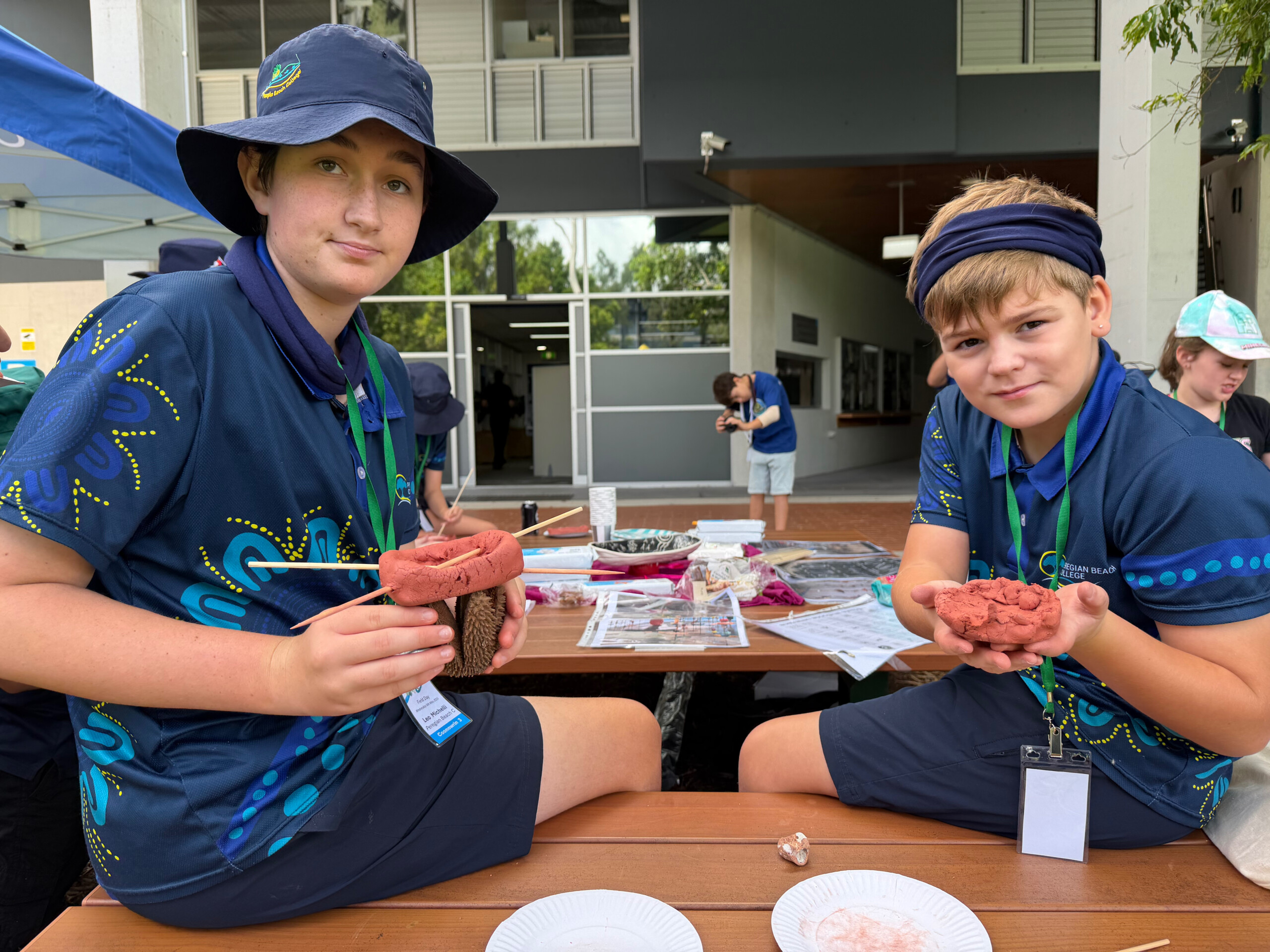
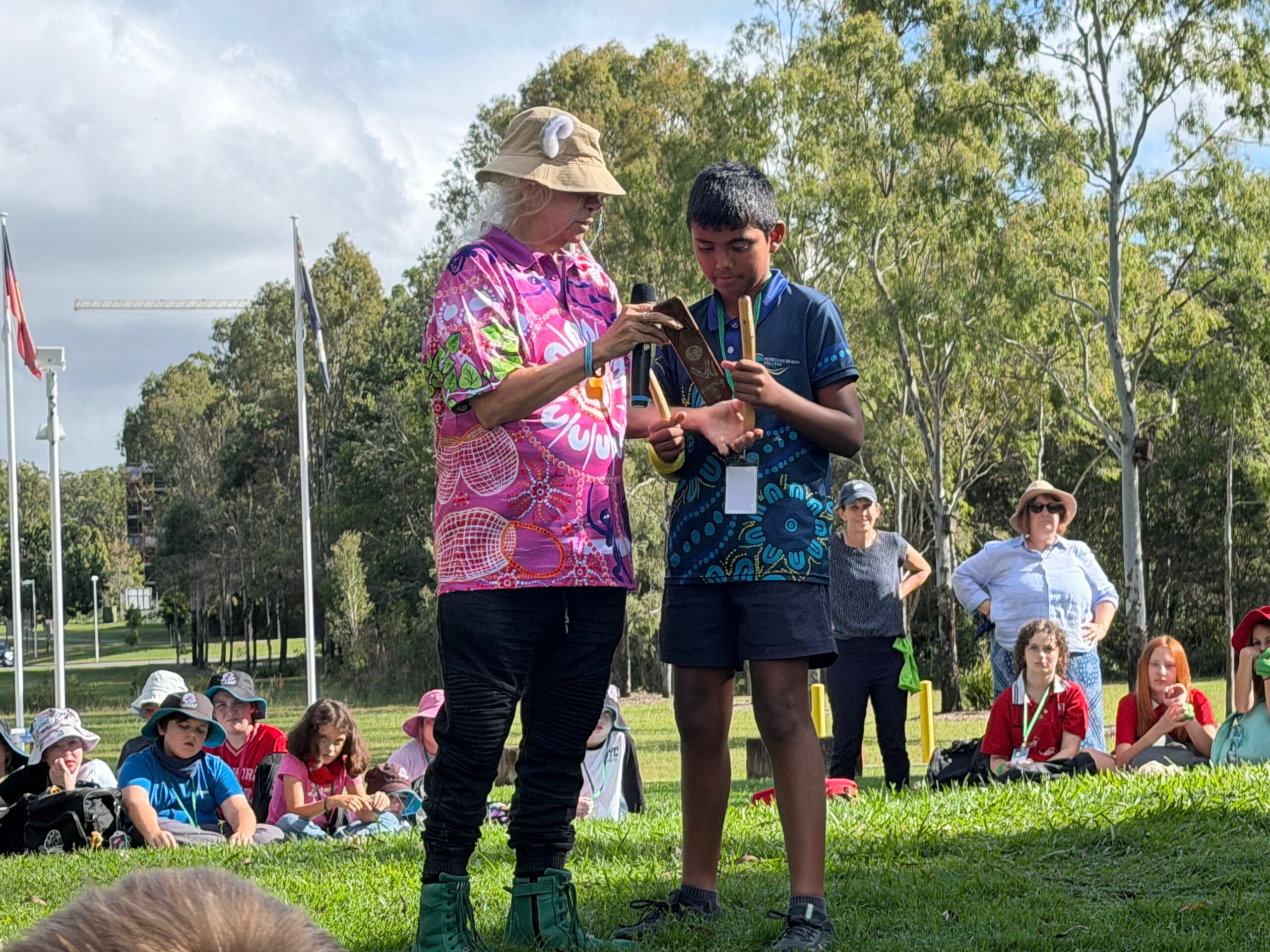
On 6 May the Year 5 and 6 Service Learning group headed off to the University of the Sunshine Coast for the Kids in Action Field Day.
The day gave children the opportunity to learn about environmental stewardship through hands-on activities that connected knowledge, passion and action. This year’s theme, From Dusk to Dawn: Stories of the Night, invited students to explore the mystery of the nocturnal world. Here are some reflections from the children involved:
The activities where all about the environment and animals. Overall I had a very fun time. – Ethan
My favourite thing about it was seeing the flying fox and leaning about them. – Abigail
We learned about Aboriginal and Torres Strait Islander people. We also learned about how light affects turtles. It was fun. – Jasi
We learnt about the importance of keeping our environment safe in the night and the day. It was exciting because you never knew what the next activity would be! – Charles
Canteen Update
As you may be aware, we have recently experienced some staffing challenges in the canteen following our coordinator’s injury. We are very grateful to our administration staff, Leah and Shae, who have stepped in when needed to help ensure the canteen has continued to operate during times when relief staff were unavailable.
Library News
 Hello Readers
One of my favourite parts of my job is to hand out the Scholastic Book Club orders! Harper and Sonny from Year 1 were just as excited as I was. Thank you families for supporting this Club. Every purchase earns our school dollars to spend on books for our library.
Yours in reading every day
Miss Tania
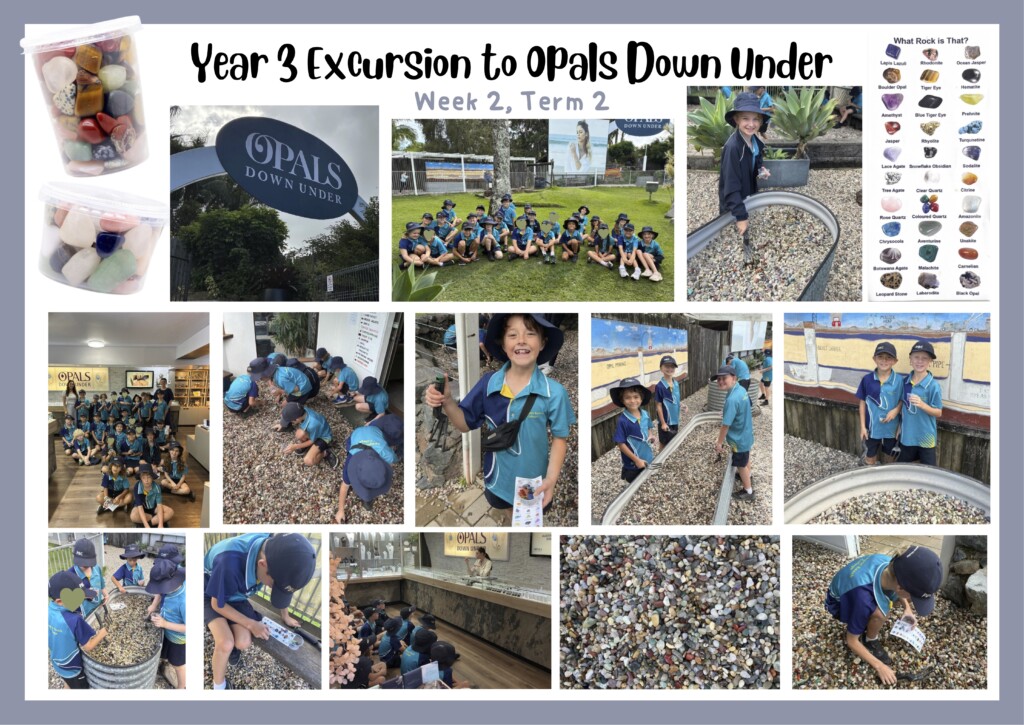
Year 3 Excursions
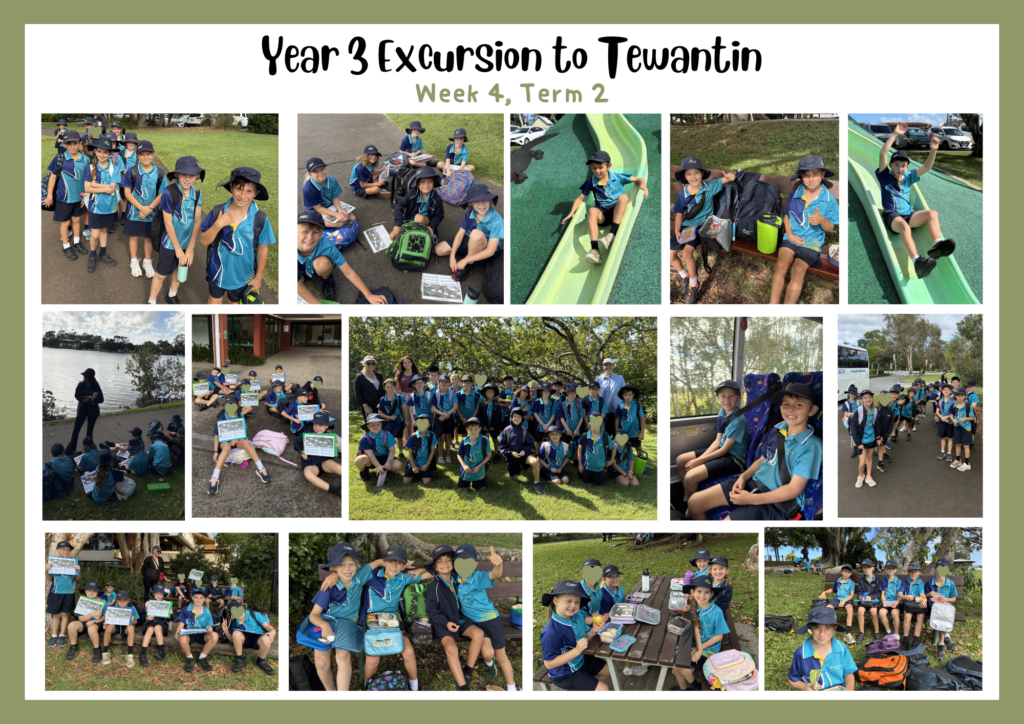
Year 3 Explore Tewantin’s History
Japanese Homestay

Peregian Beach College, in conjunction with Lexis English College, will be hosting Otemon Gakuin High School Students (15 – 16 years of age) from Osaka, Japan from Mon 3 August – Mon 10 August 2026. These students will be having English lessons as well as attending some PBClessons.
Families are required to drop off at 8:30am and pick up at 3:15pm each day except for the weekends.
If you feel you are able to offer one or two of these students a friendly and caring environment, we would love to hear from you. In return you will receive a unique and rewarding cross- cultural experience for your children and for the whole family.
You will need to provide the student with their own bedroom, 3 meals a day and the required transportation to and from PBC Monday through to Friday (carpooling available to assist with this)
Remuneration to Host Families will be $455 – $830
PLEASE CALL Lexis Noosa Campus Homestay Department on 5447 4448 or email Noosahomestay@lexisenglish.com for further Otemon Gakuin High School homestay queries and application pack.

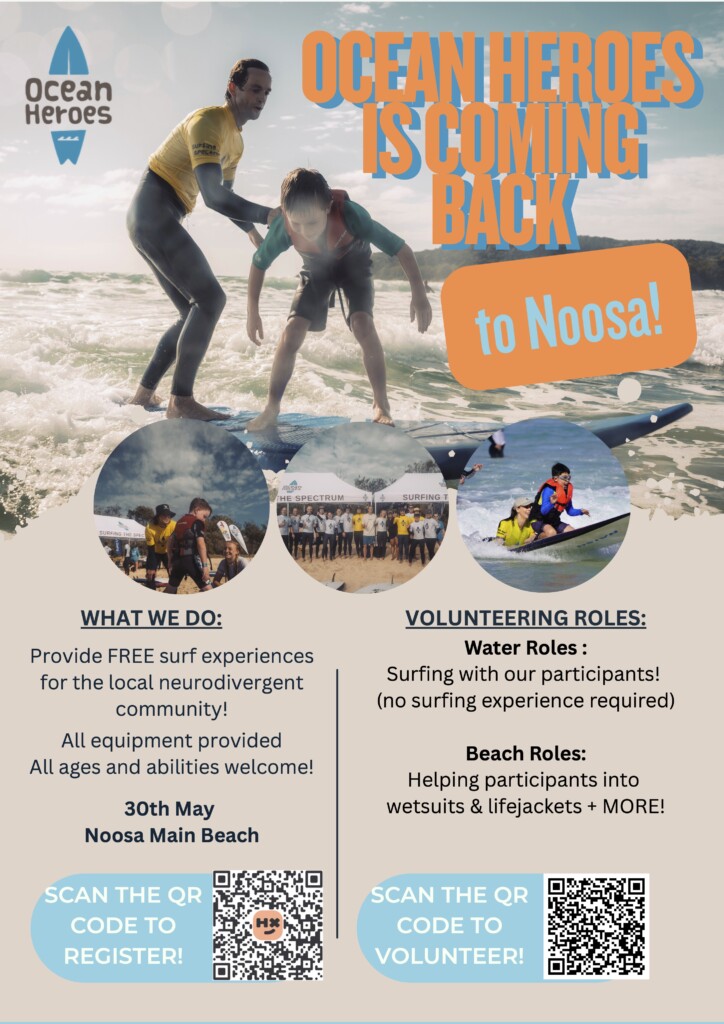
Ocean Heroes
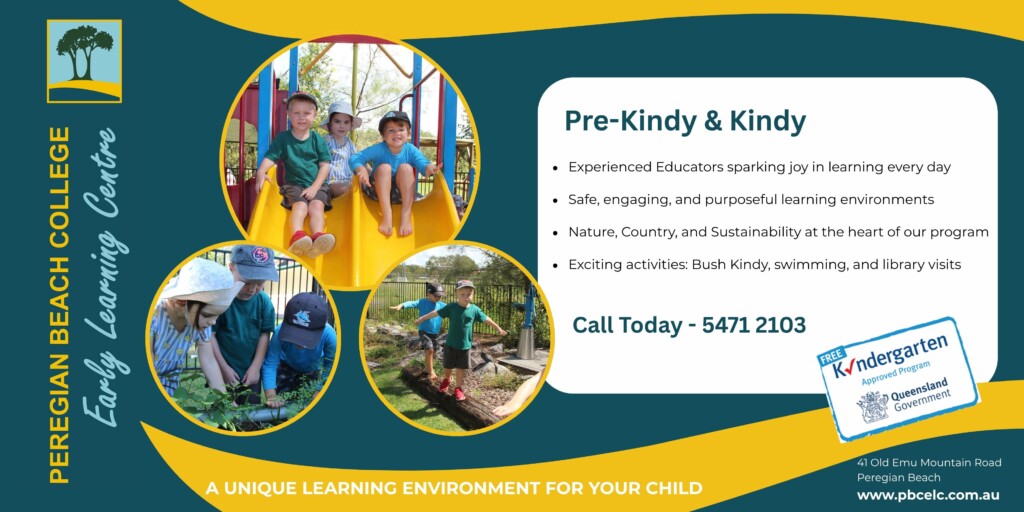
Kindy Vacancies
Housekeeping

School Administration Housekeeping.
- The email address to use for all correspondence relating to student absences is absentees@pbc.qld.edu.au. You can also lodge an absence via the form on the website located here.
- Correspondence from the College will generally be sent out from admin@pbc.qld.edu.au. Please add admin@pbc.qld.edu.au to your address books so that our emails to you don’t go to your junk email folder.
You can also lodge an absence via the form on the website located here. - Don’t forget to order canteen through the My School Connect app – orders are to be placed no later than 8.00 am, alternatively feel free to visit our canteen to order with our staff.
- When signing students in late or signing them out early please ensure to put a reason in the text box for College records.
- Please ensure students are in their correct uniform, we are going to be checking to make sure that the uniform policy guidelines are being followed, this includes correct footwear with formal uniforms.